
Insulation: The Ultimate Efficiency Booster
Effective insulation limits unwanted heat transfer, supports stable internal temperatures and reduces the demand placed on heating and refrigeration systems. In an insulated panel, that performance is built directly into the wall, ceiling or roof system.
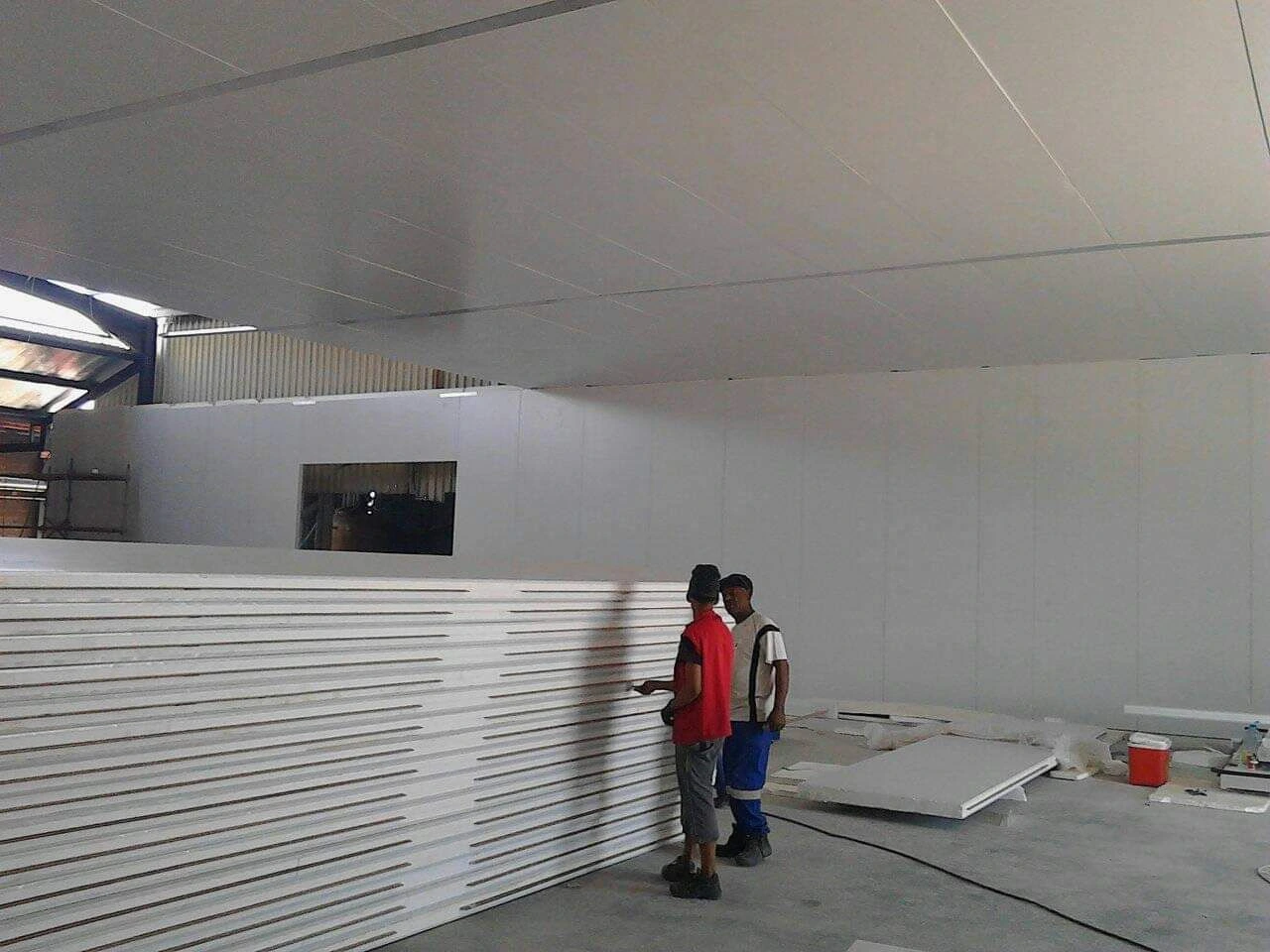
What is insulation?
Insulation is a material or system that resists the movement of heat between spaces. In a building or cold room, it helps separate the controlled internal environment from changing external temperatures.
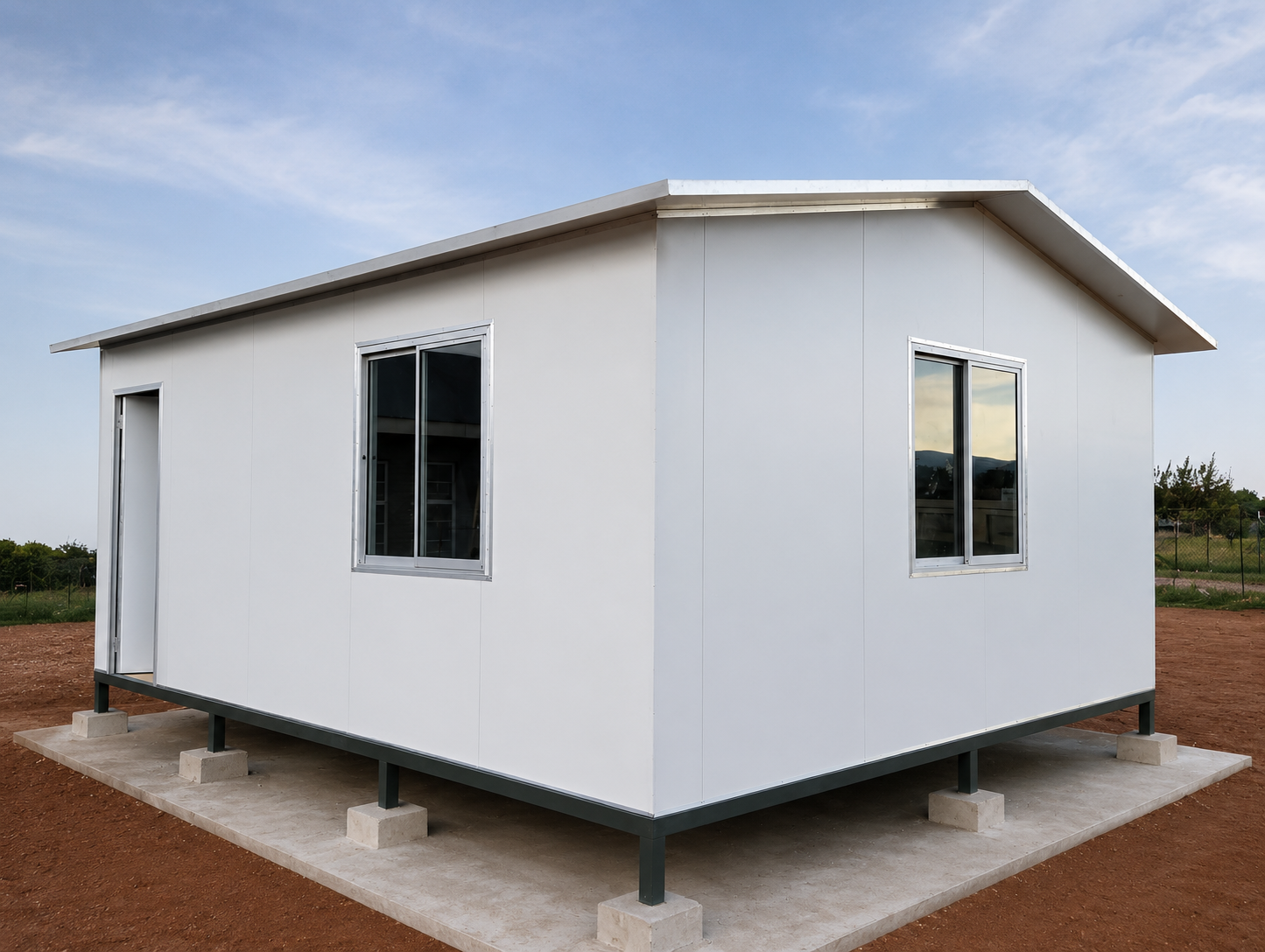
For cold rooms and freezers, the objective is to slow heat entering the enclosure. For offices, classrooms and other insulated buildings, the same principle helps moderate indoor conditions and can reduce the work required from cooling or heating equipment.
Performance depends on the complete system. Core material, thickness, panel joints, doors, vapour sealing, penetrations and installation quality all influence the final result. Product selection should follow the project specification and the relevant Frigipan technical data sheet.
How insulation slows heat transfer
Heat moves in three primary ways. An effective building envelope manages each of them through the selected materials and complete construction.
Conduction
Heat travels directly through solid materials. Low-conductivity insulation cores resist this flow and reduce the rate at which heat crosses the panel.
Convection
Heat is carried by moving air or fluid. Cellular and fibrous insulation structures restrict air movement, while close-fitting joints help limit leakage.
Radiation
Radiant energy travels through space. Surface finish, colour, roof design and reflective layers may help manage radiant heat in appropriate applications.
Inside an insulated panel
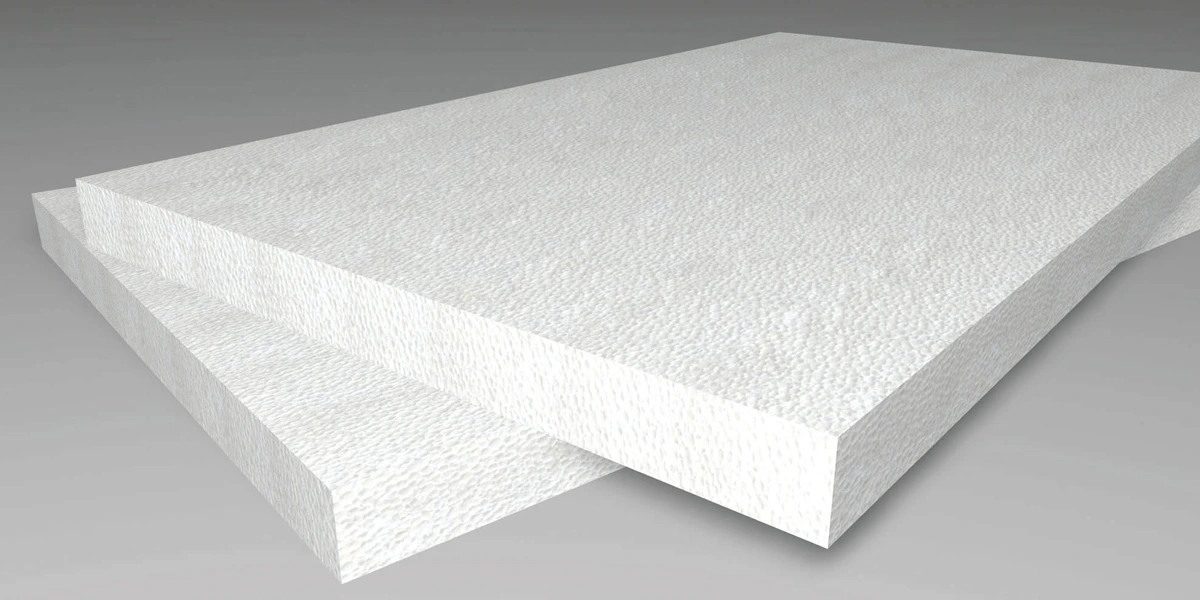
An insulated sandwich panel combines two protective outer facings with an insulating core. The facings create durable, easy-to-clean surfaces and contribute rigidity. The core supplies the principal thermal resistance.
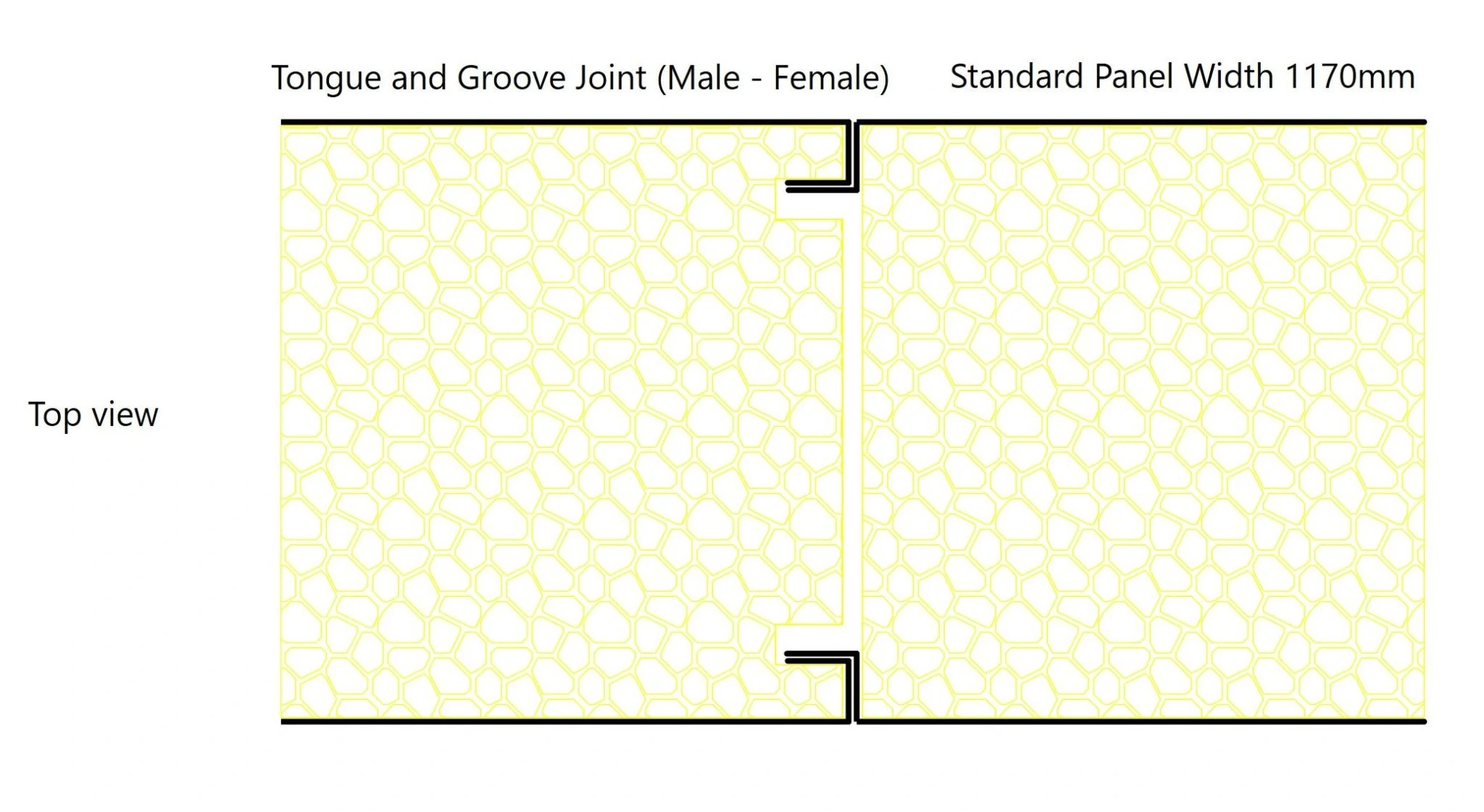
Panels are manufactured in project-appropriate lengths and thicknesses. Joint design is also important: correctly fitted tongue-and-groove or barrier-strip systems help form a continuous insulated envelope.
What insulated panels contribute
Thermal control
The core resists heat flow, helping cold rooms, freezers and insulated buildings maintain their intended internal conditions.
Energy efficiency
Reducing unwanted heat transfer can decrease the load on refrigeration, cooling or heating equipment when the full system is correctly designed and installed.
Hygienic surfaces
Coated metal facings provide smooth surfaces that are durable and easy to clean, making them well suited to cold-chain and food-related environments.
Moisture management
Correct joints, vapour sealing and detailing help control condensation and moisture ingress. Panel cores alone cannot compensate for poor sealing or installation.
Efficient construction
Large manufactured panels combine enclosure, lining and insulation in one element, helping independent installers complete suitable projects efficiently.
Flexible specification
Different core materials, densities, thicknesses and panel dimensions allow the solution to be matched to the application and required performance.
Choose the core for the application
Not every insulation core performs in the same way. Frigipan’s specialised range allows contractors and project teams to select the balance of thermal, fire, acoustic and structural characteristics required.
EPS insulated panels
Lightweight, practical thermal insulation for cold rooms, freezer rooms, partition walls and insulated building applications.
Rockwool panels
Mineral-wool core systems for applications where non-combustibility, high-temperature resistance and sound control are priorities.
Engineered EPS panels
A specialised alternative to conventional EPS where improved form retention and fire performance are required by the specification.
PIC 32 polyurethane panels
Laminated polyurethane core panels suited to projects requiring strong thermal resistance in a comparatively lightweight construction.
XPE Chipfoam panels
Closed-cell polyethylene foam construction for specialised acoustic, vibration-damping and moisture-resistant applications.
IBR roof panels
A durable profiled roof facing combined with insulation for selected industrial, commercial and agricultural buildings.
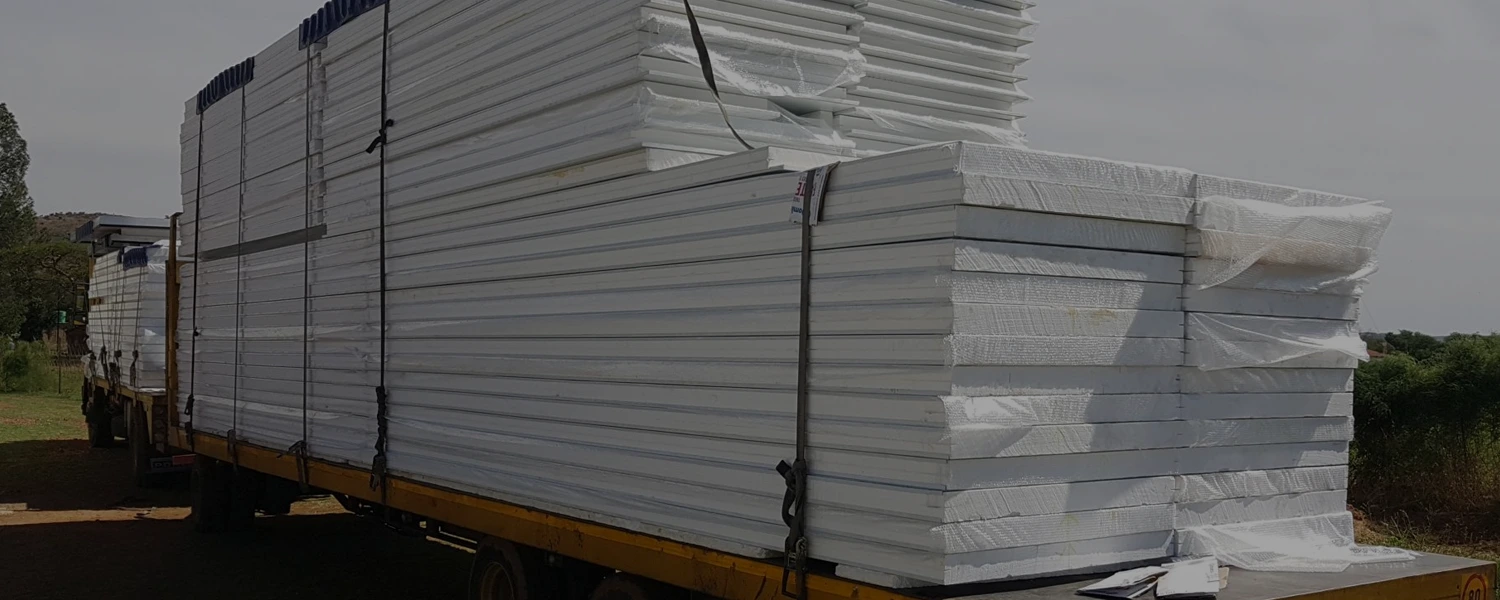
Why insulation matters in cold rooms and freezers
Every unnecessary gain of heat must be removed by the refrigeration system. A well-specified, continuous insulated envelope therefore supports temperature stability, energy efficiency and reliable cold-chain operation.
Panel thickness is only one part of the decision. Door performance, floor and ceiling insulation, joint sealing, penetrations, room size, operating temperature and traffic all need consideration.
Match the insulation to your project.
Send Frigipan the intended application, operating temperature, dimensions and performance requirements. The team can assist with panel sizing, doors and associated cold-room hardware.